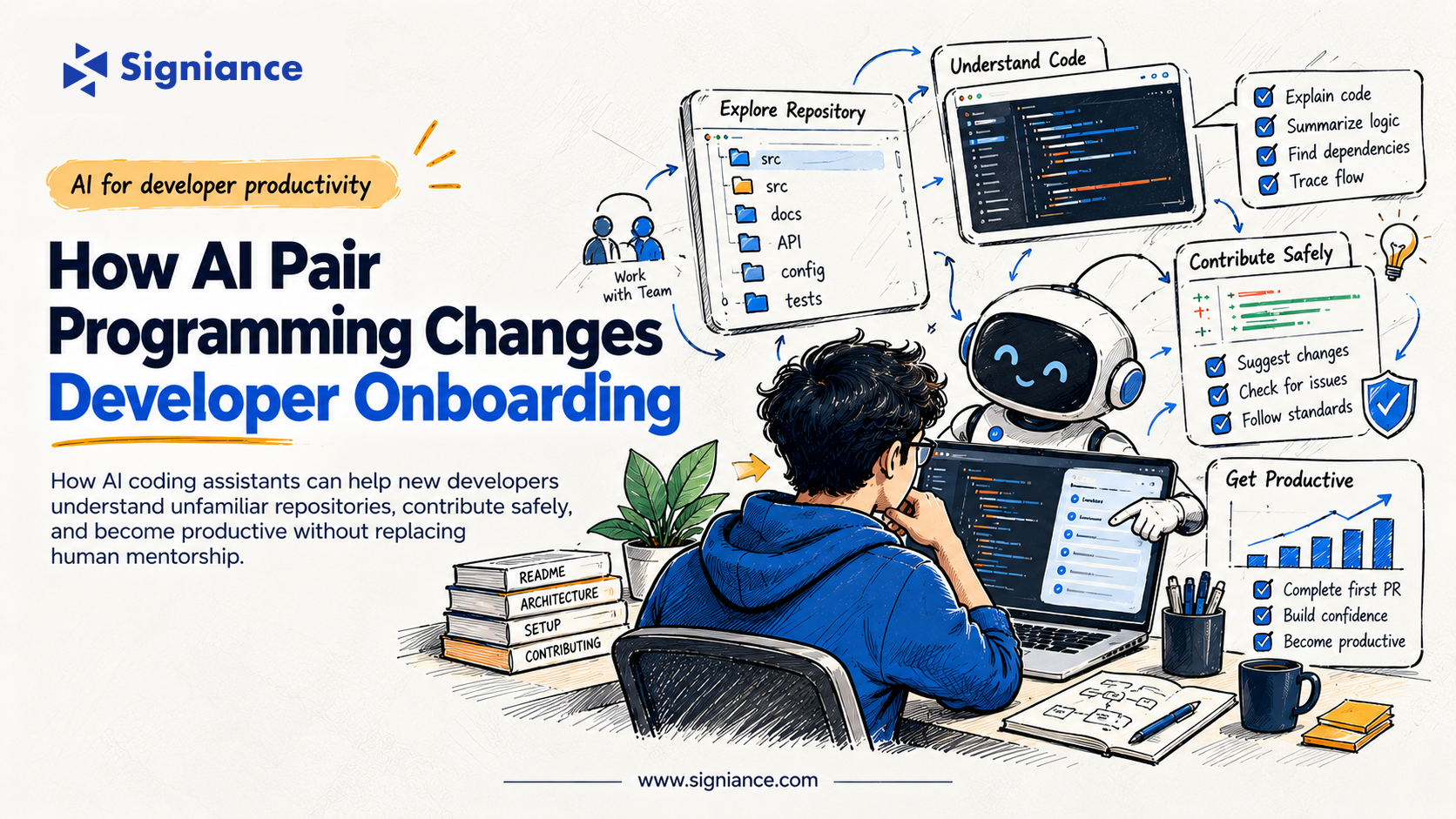
How AI coding assistants can help new developers understand unfamiliar repositories, contribute safely, and become productive without replacing human mentorship. Table of Contents Why Onboarding Takes Time A new...
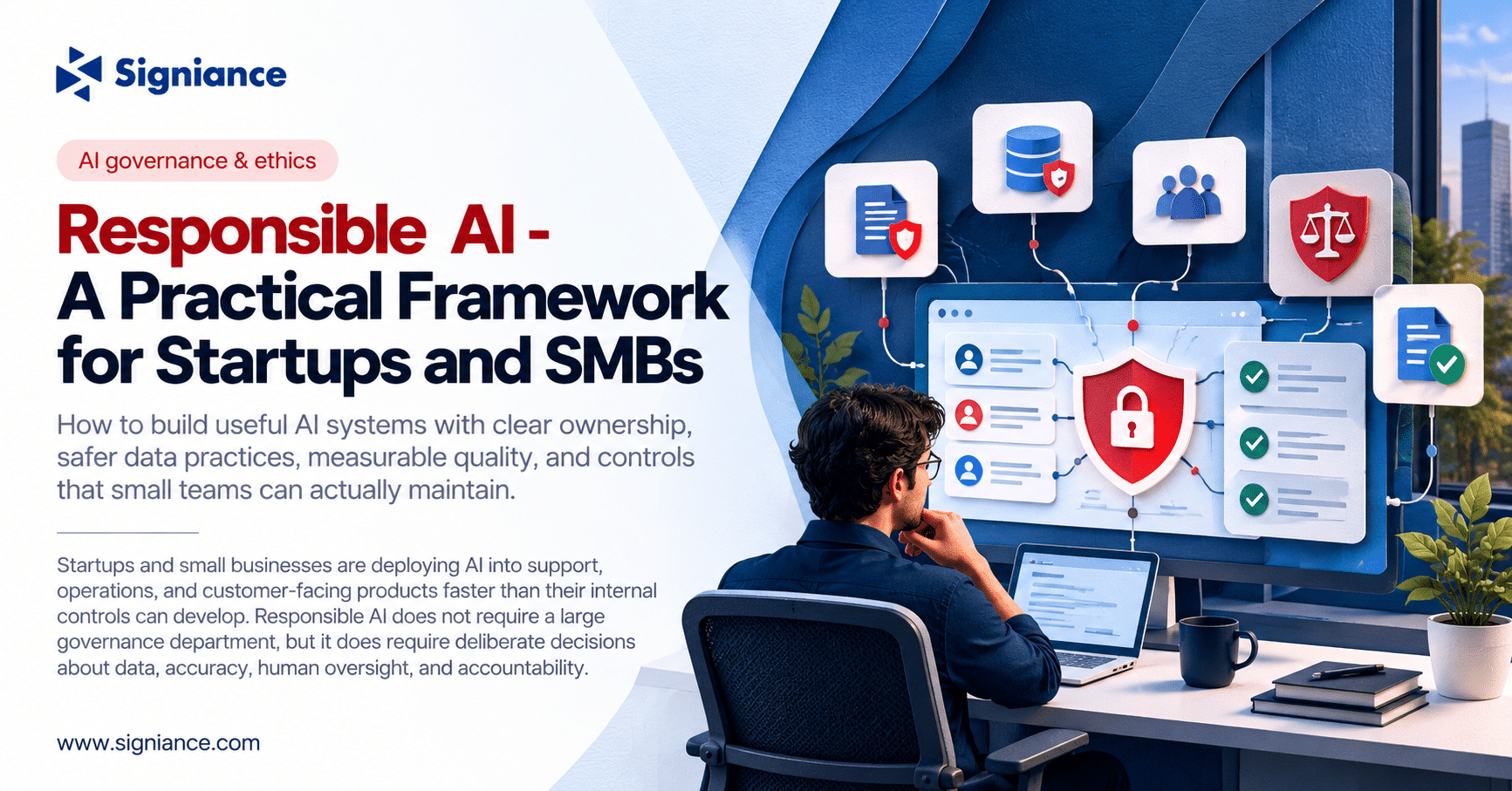
How to build useful AI systems with clear ownership, safer data practices, measurable quality, and controls that small teams can actually maintain. Table of Contents A startup can add...
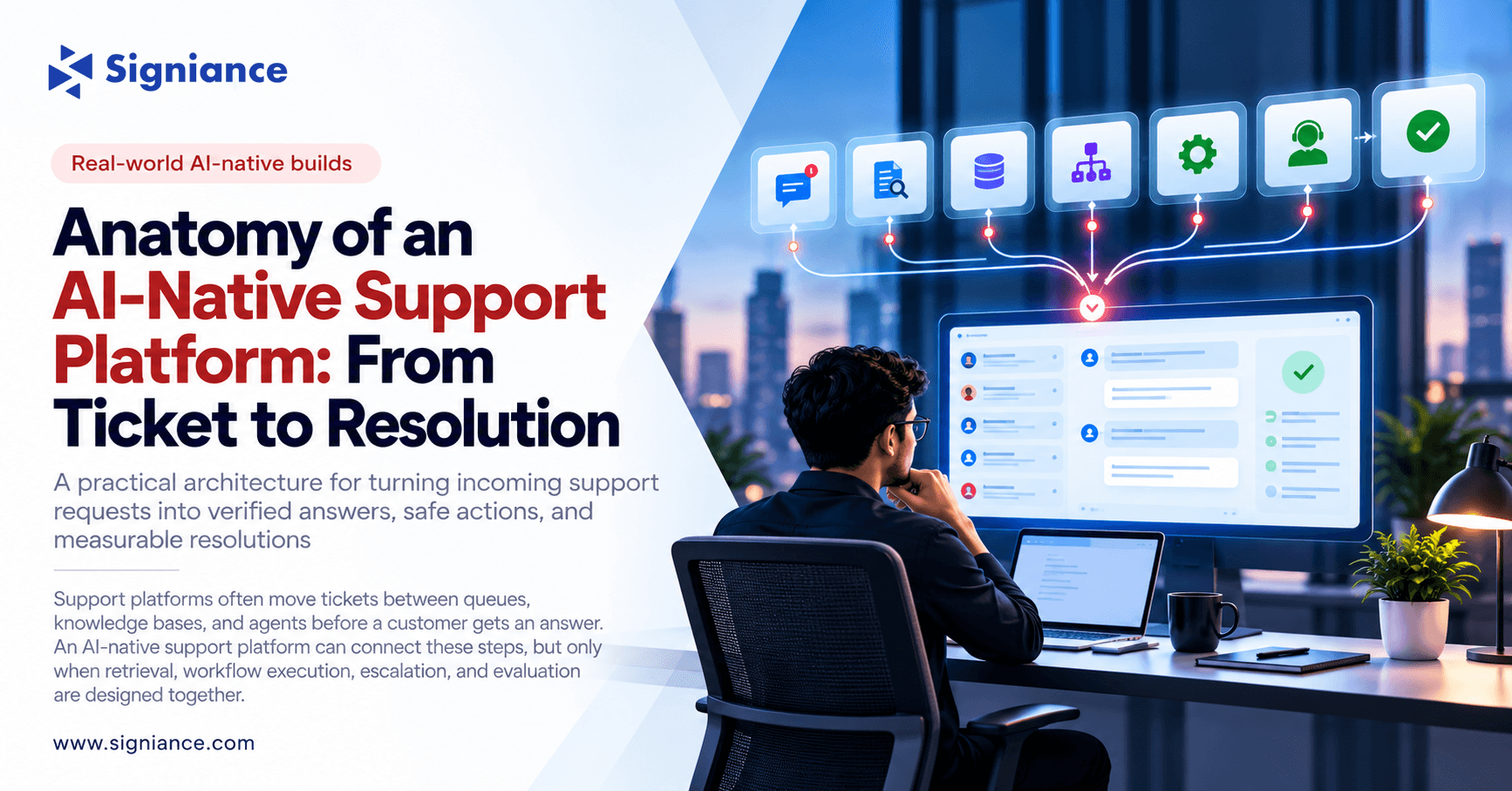
A practical architecture for turning incoming support requests into verified answers, safe actions, and measurable resolutions Table of Contents 1. Topic Introduction: What Happens After a Ticket Arrives 2....
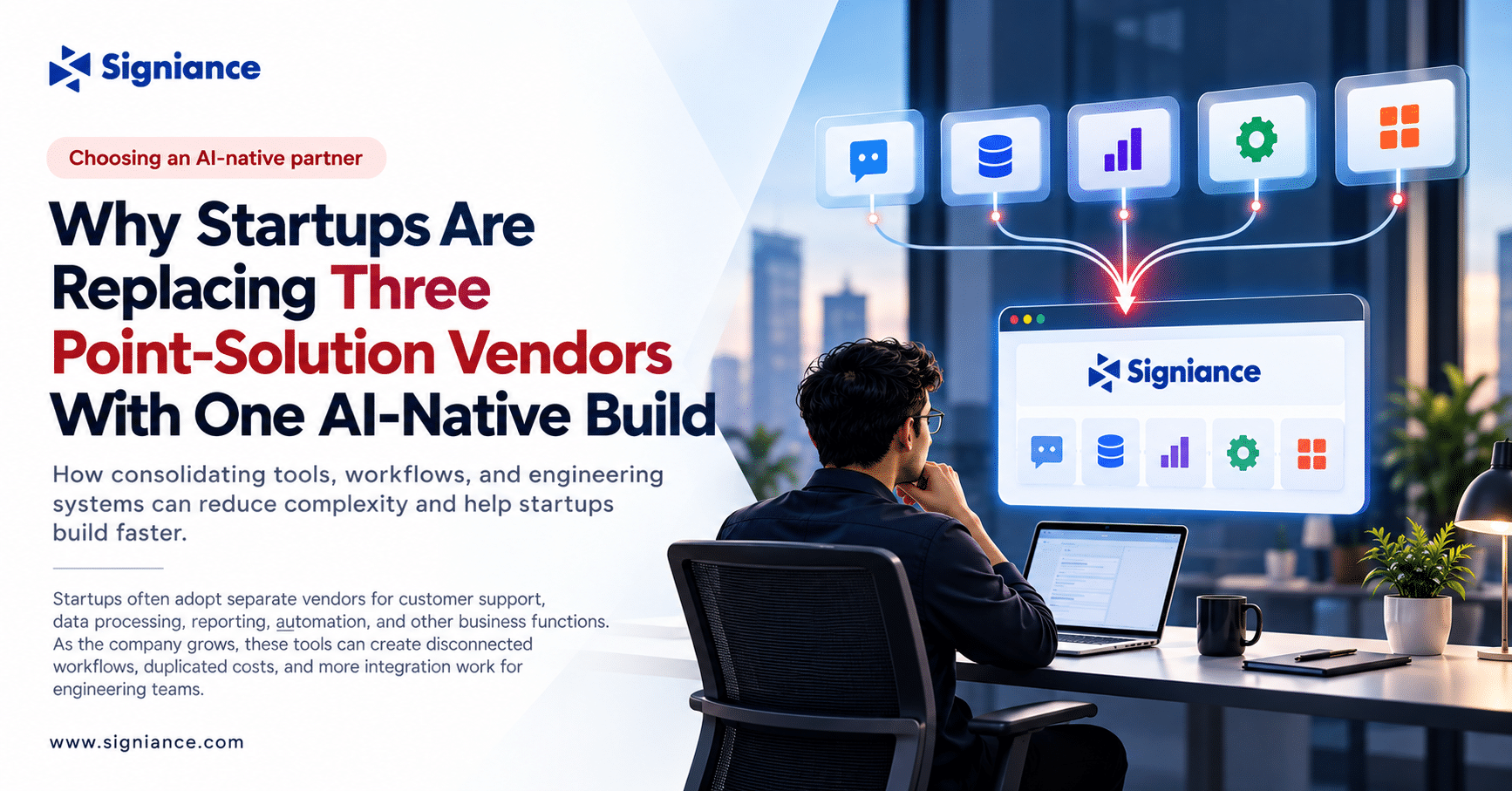
How consolidating tools, workflows, and engineering systems can reduce complexity and help startups build faster Table of Contents Early-stage startups usually choose tools based on immediate needs. One vendor...
A practical guide to estimating training data requirements based on quality, complexity, and real-world performance Table of Contents One of the first questions teams ask when building a machine...
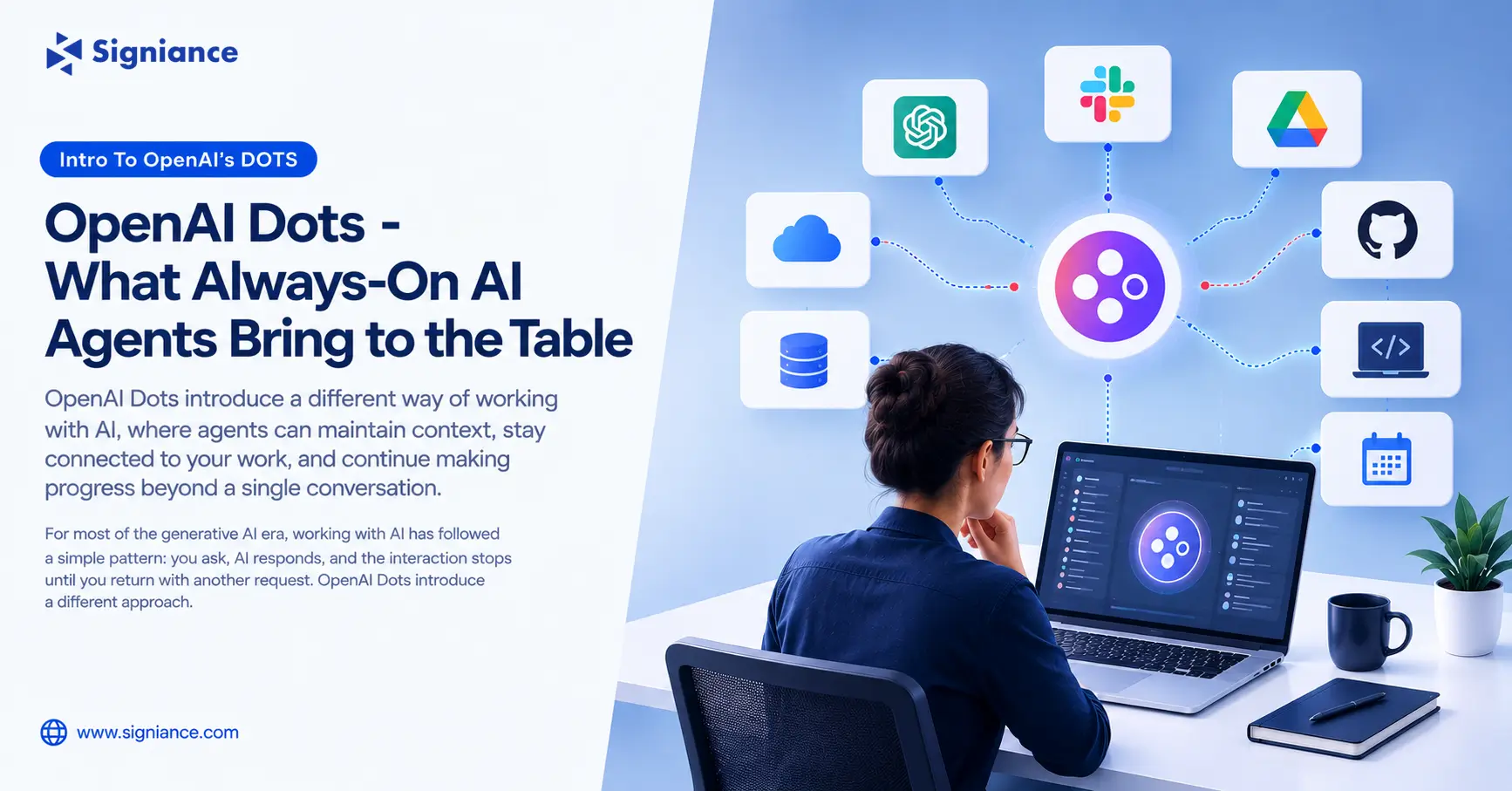
OpenAI Dots introduce a different way of working with AI, where agents can maintain context, stay connected to your work, and continue making progress beyond a single conversation. For...
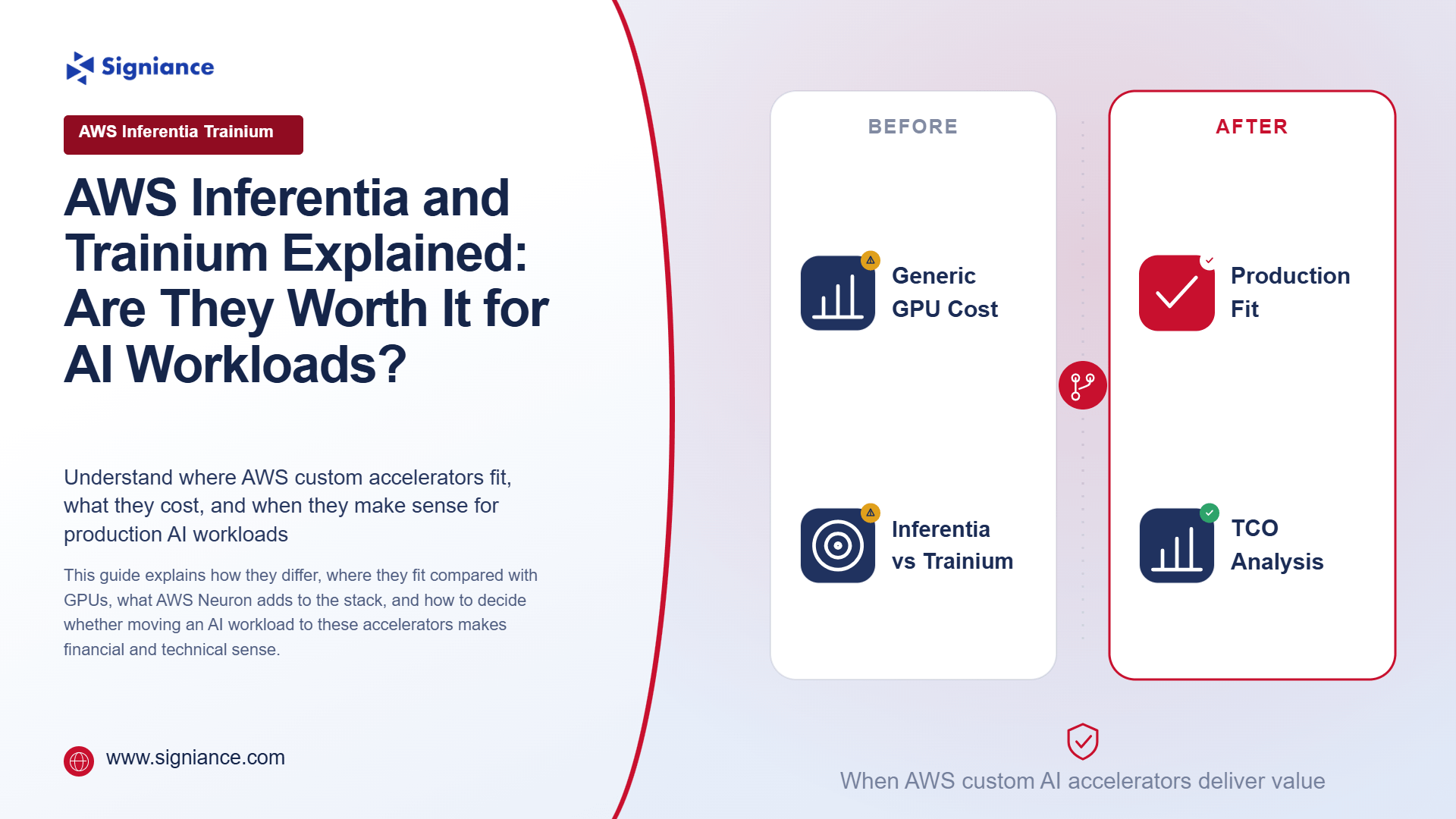
Understand where AWS custom accelerators fit, what they cost, and when they make sense for production AI workloads AWS Inferentia and Trainium are purpose-built chips designed for machine learning...
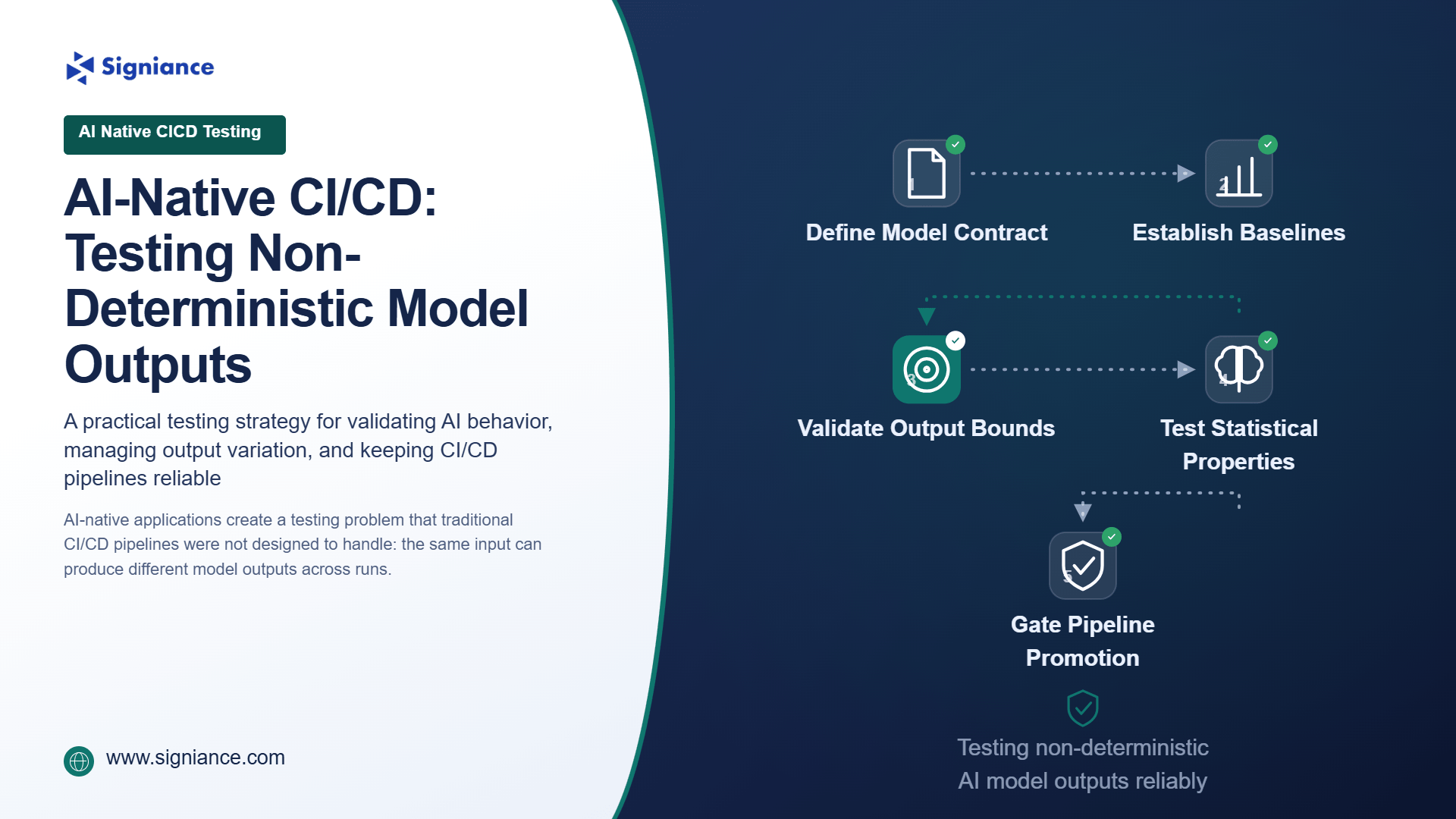
A practical testing strategy for validating AI behavior, managing output variation, and keeping CI/CD pipelines reliable AI-native applications create a testing problem that traditional CI/CD pipelines were not designed...
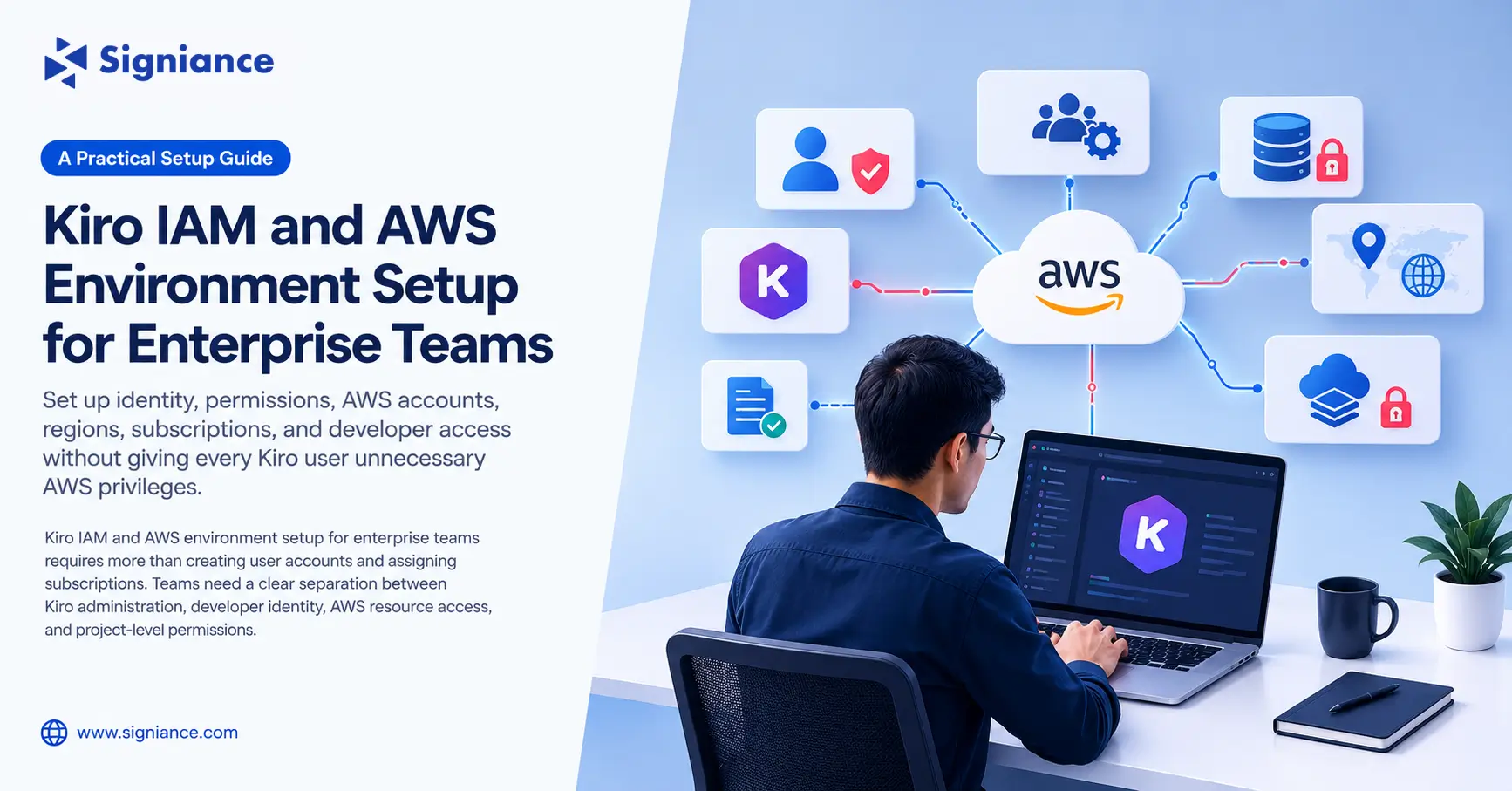
Set up identity, permissions, AWS accounts, regions, subscriptions, and developer access without giving every Kiro user unnecessary AWS privileges. Kiro IAM and AWS environment setup for enterprise teams requires...
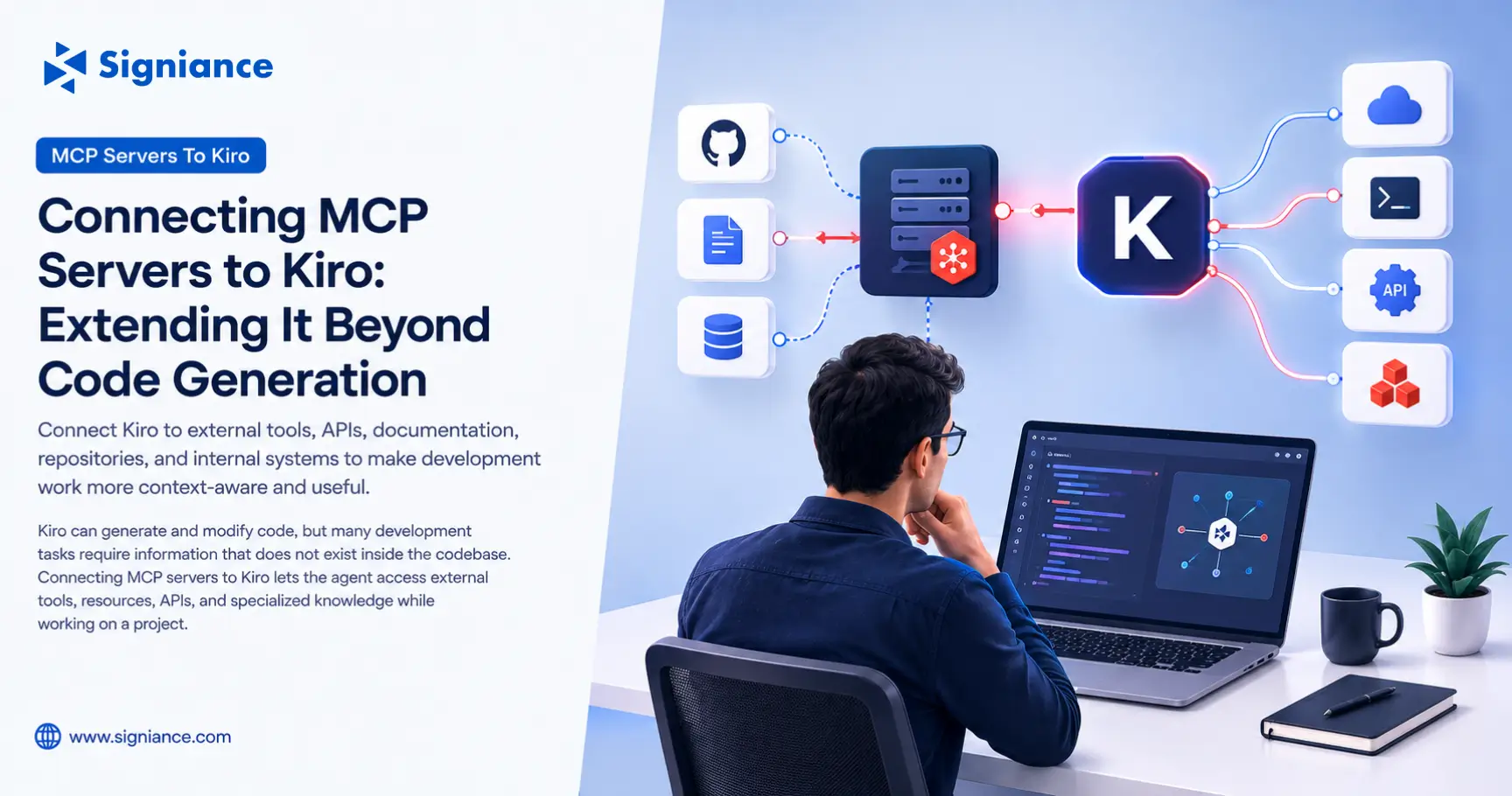
Connect Kiro to external tools, APIs, documentation, repositories, and internal systems to make development work more context-aware and useful. Kiro can generate and modify code, but many development tasks...