Beyond Unit Tests Build reliable AI products by testing models, prompts, data, workflows, and production behavior together Traditional unit tests are important, but they cannot fully validate an AI-native...
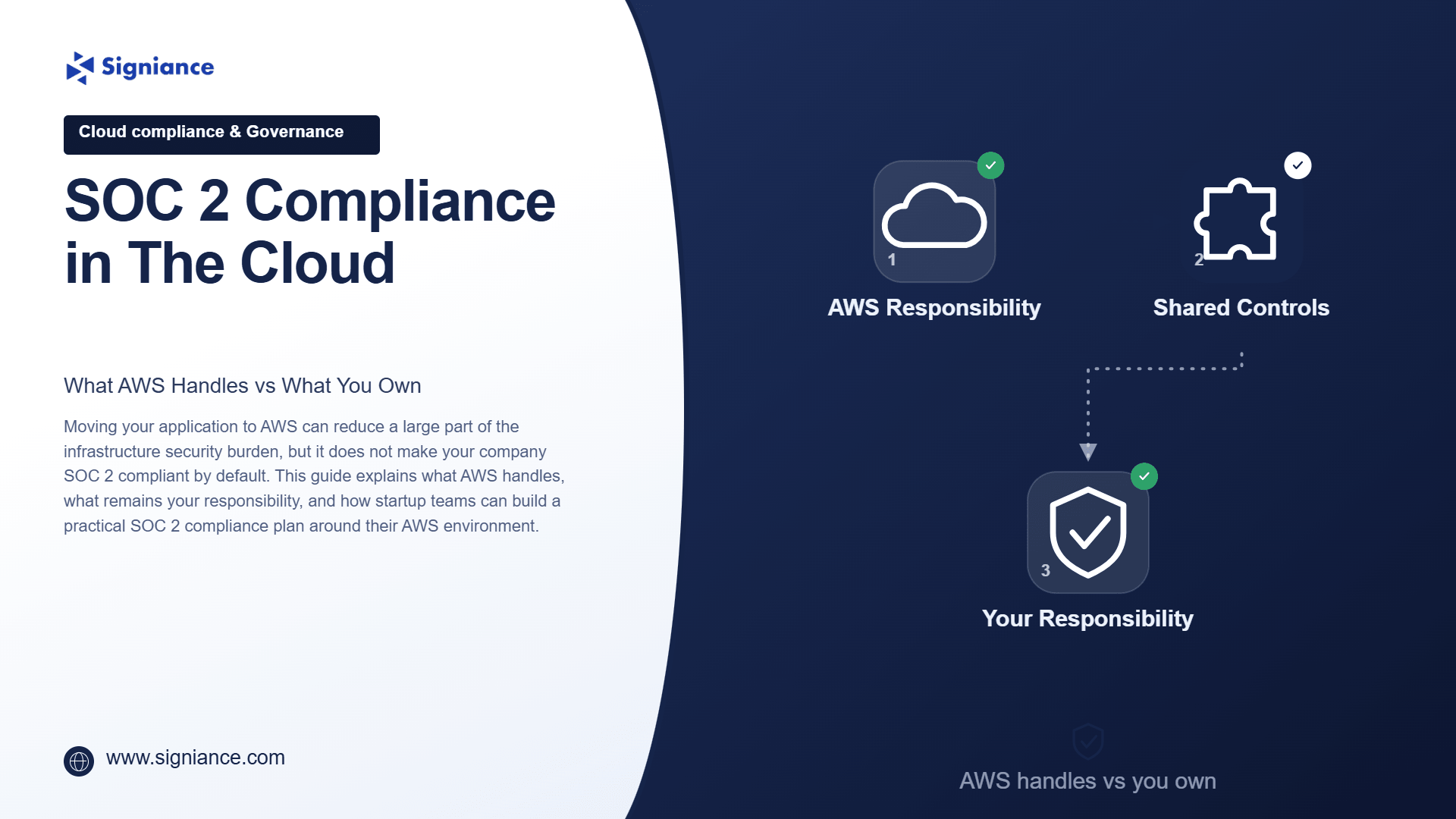
Understand the AWS shared responsibility model and build a SOC 2-ready cloud environment without assuming AWS covers everything Moving your application to AWS can reduce a large part of...
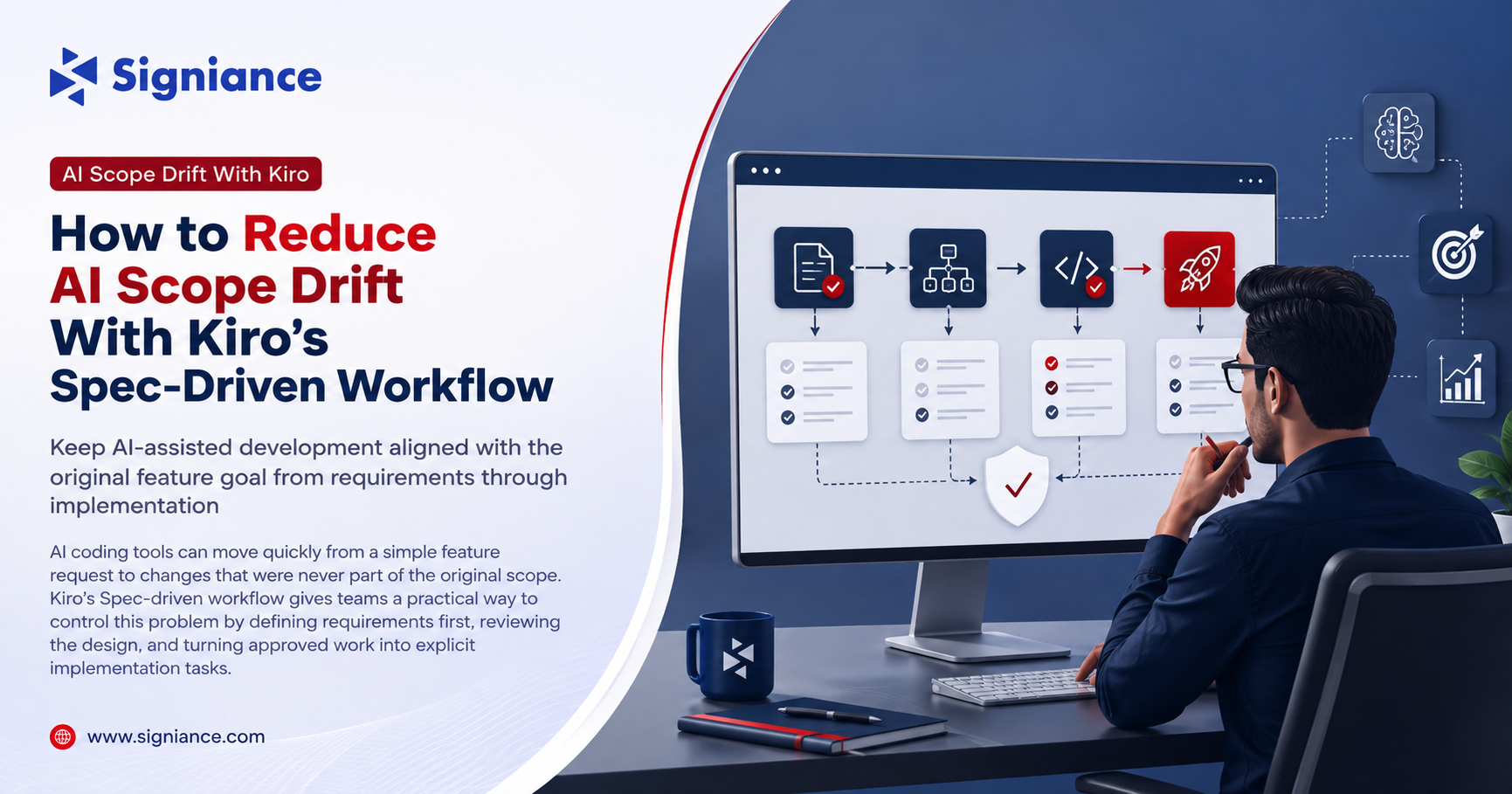
Keep AI-assisted development aligned with the original feature goal from requirements through implementation AI coding tools can move quickly from a simple feature request to changes that were never...
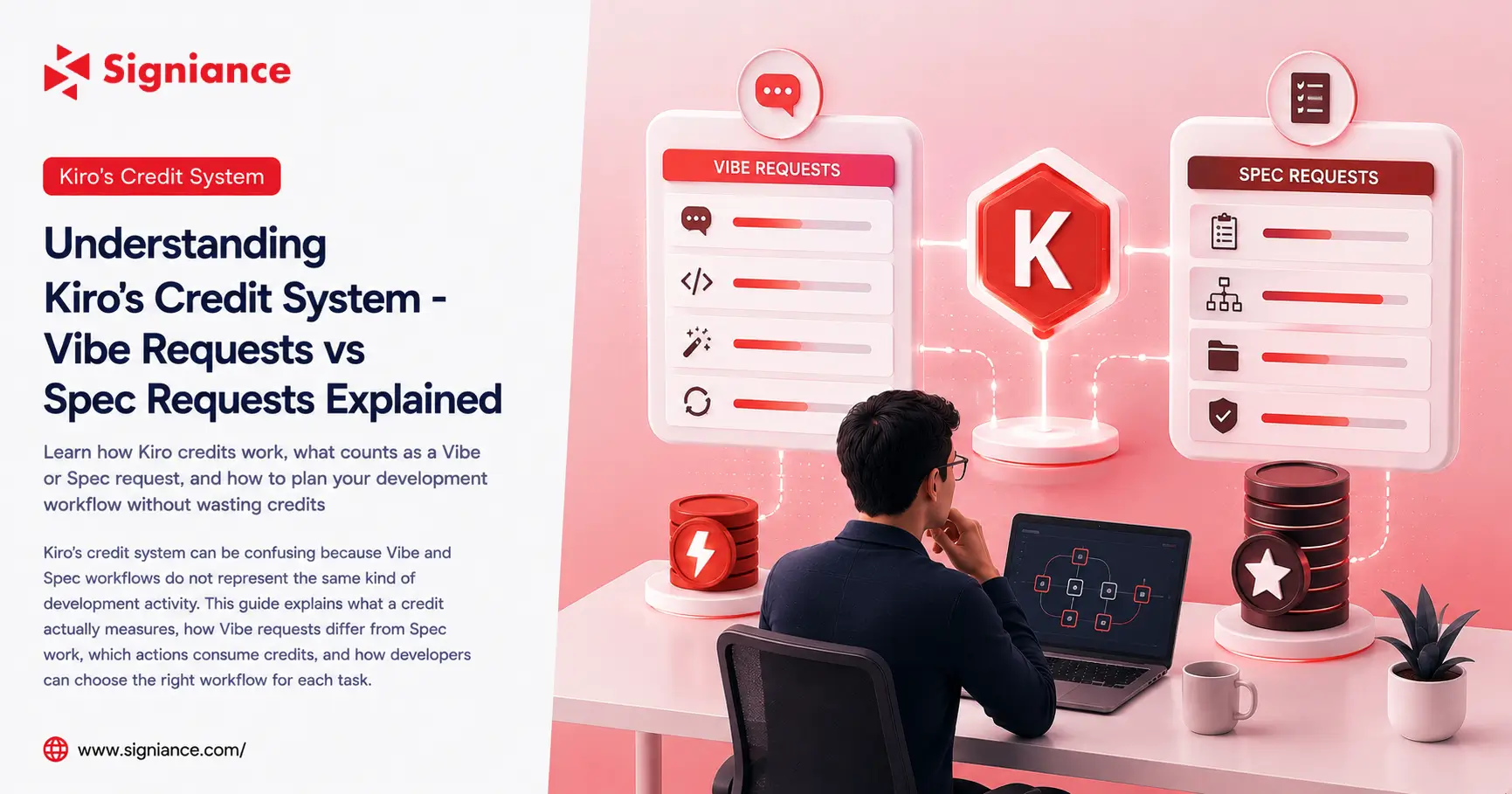
Learn how Kiro credits work, what counts as a Vibe or Spec request, and how to plan your development workflow without wasting credits Kiro’s credit system can be confusing...
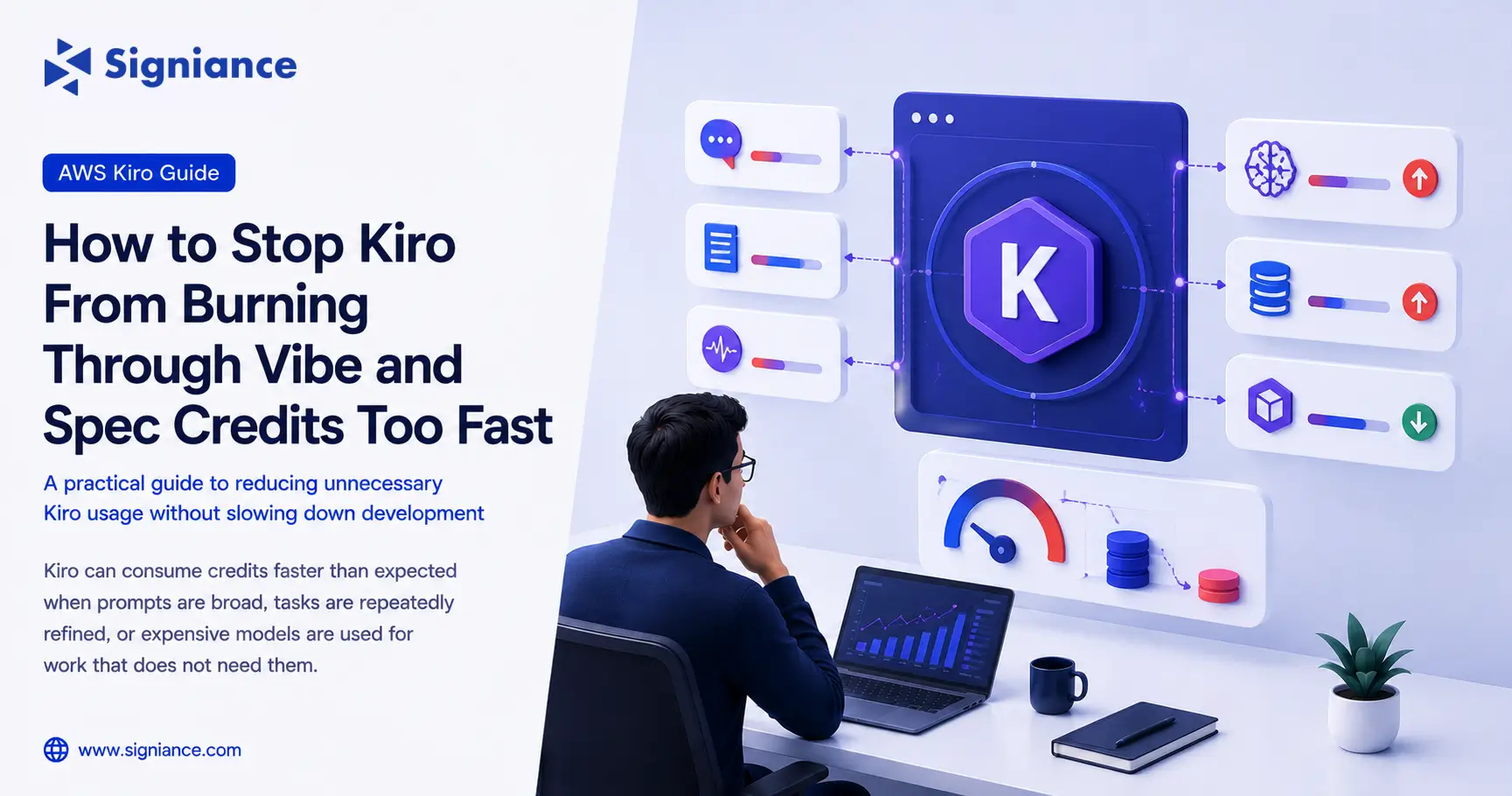
A practical guide to reducing unnecessary Kiro usage without slowing down development Kiro can consume credits faster than expected when prompts are broad, tasks are repeatedly refined, or expensive...
Build an AI cost model early so your product can grow without letting inference, infrastructure, and usage costs outpace revenue. AI features can look inexpensive during development and become...
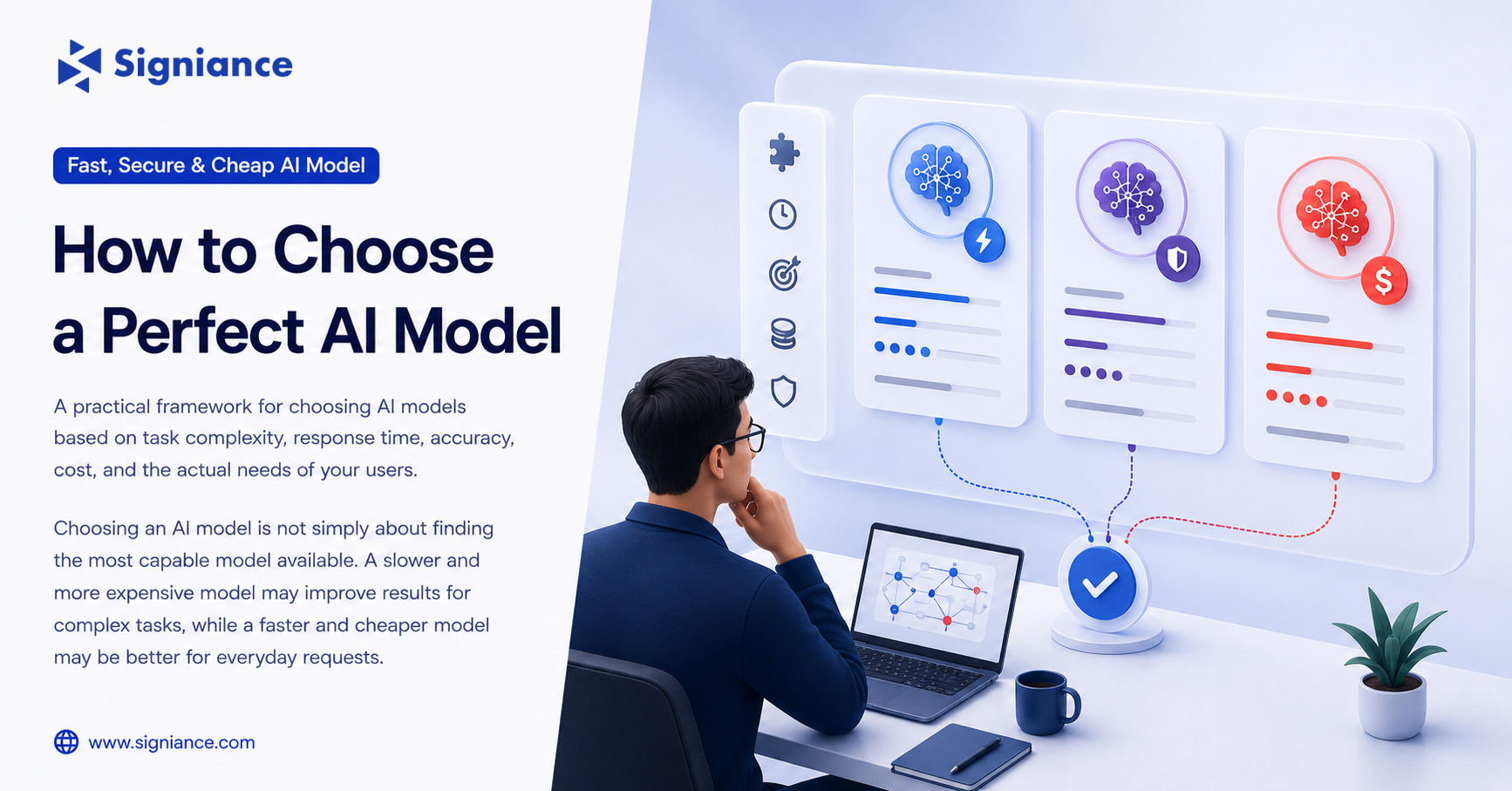
A practical framework for choosing AI models based on task complexity, response time, accuracy, cost, and the actual needs of your users. Choosing an AI model is not simply...
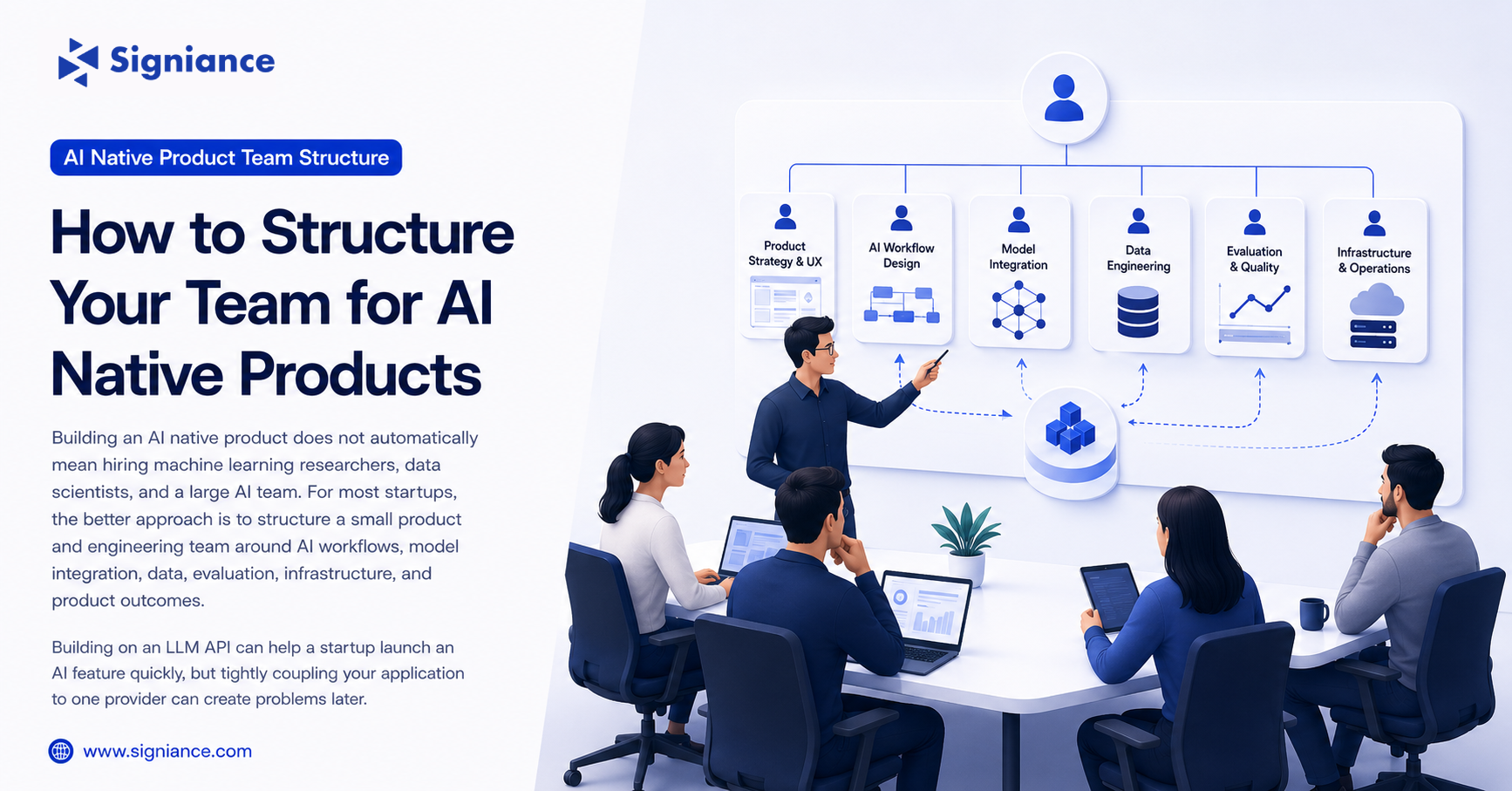
Build a practical AI product team using existing engineering skills, clear ownership, and targeted specialist support. Building an AI native product does not automatically mean hiring machine learning researchers,...
Design your AI application so you can change models, providers, and infrastructure without rebuilding the entire product. Building on an LLM API can help a startup launch an AI...
A Practical Guide for Startup Founders Many AI products need access to information that changes regularly, such as company documents, product manuals, knowledge bases, or customer policies. This is...