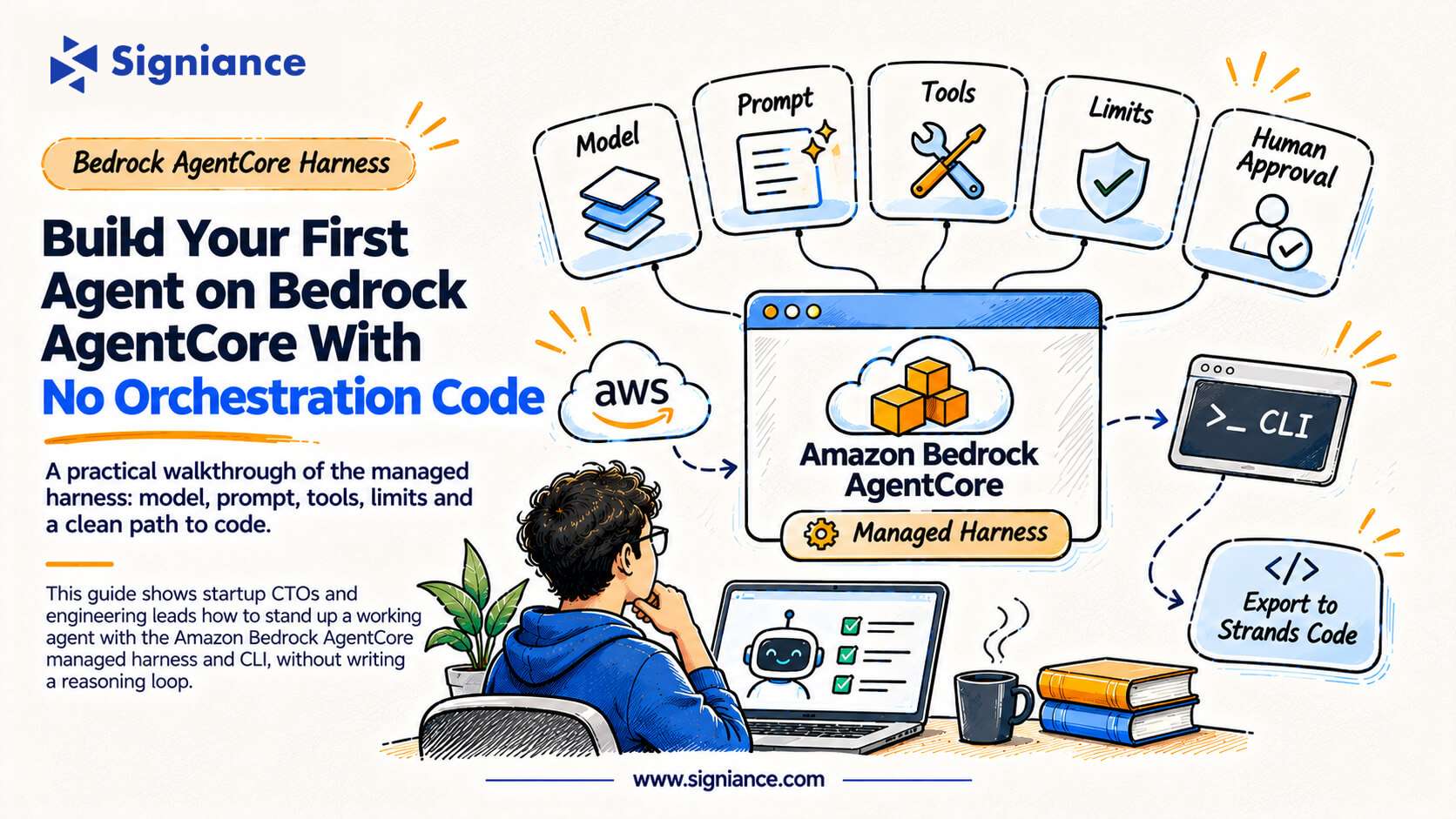
A practical walk through of the managed harness: model, prompt, tools, limits and a clean path to code In this article Most first agents die in the plumbing. A...
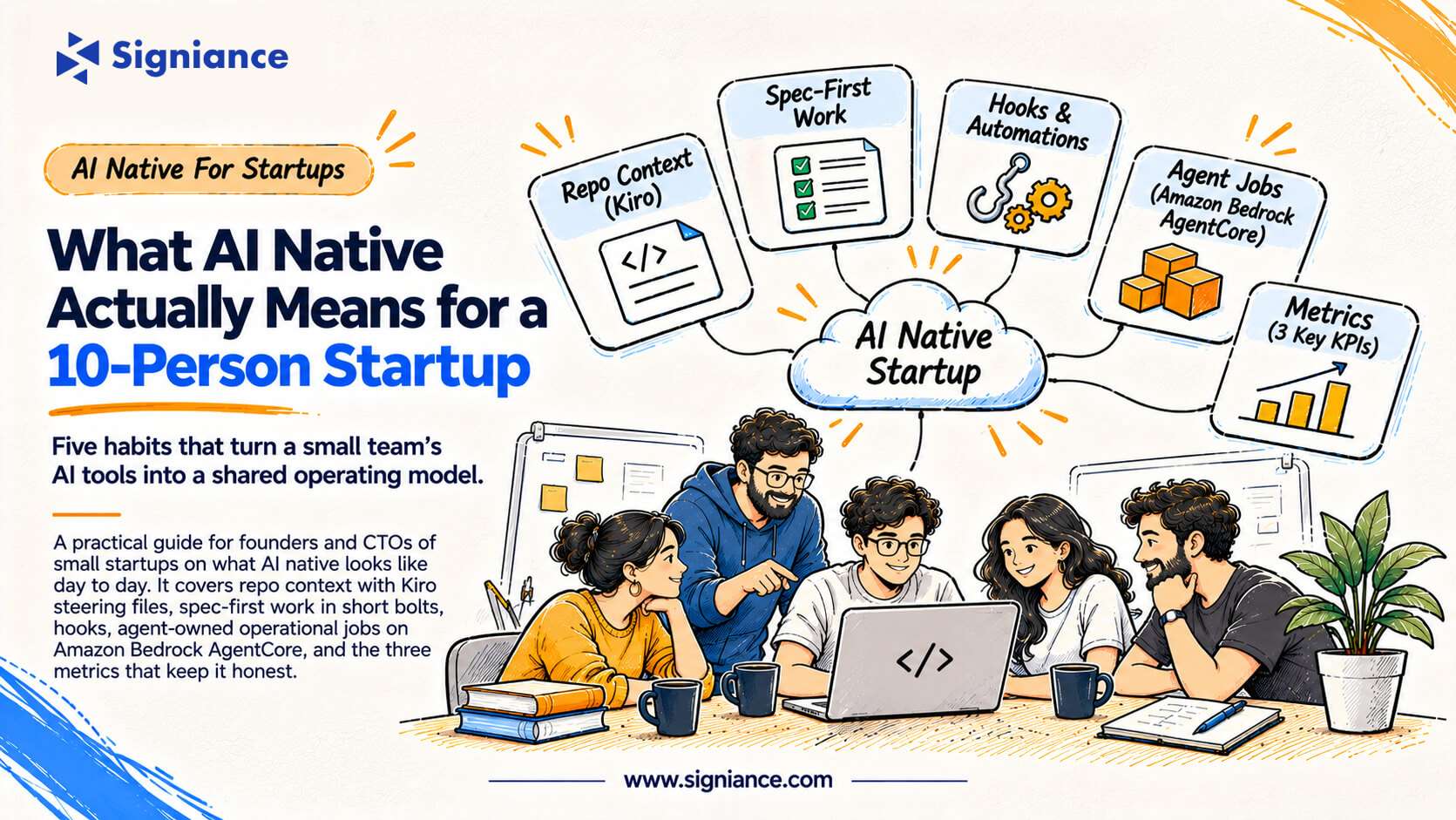
Five habits that turn a small team’s AI tools into a shared operating model In this article Most “AI native” talk is written for companies with platform teams, AI...
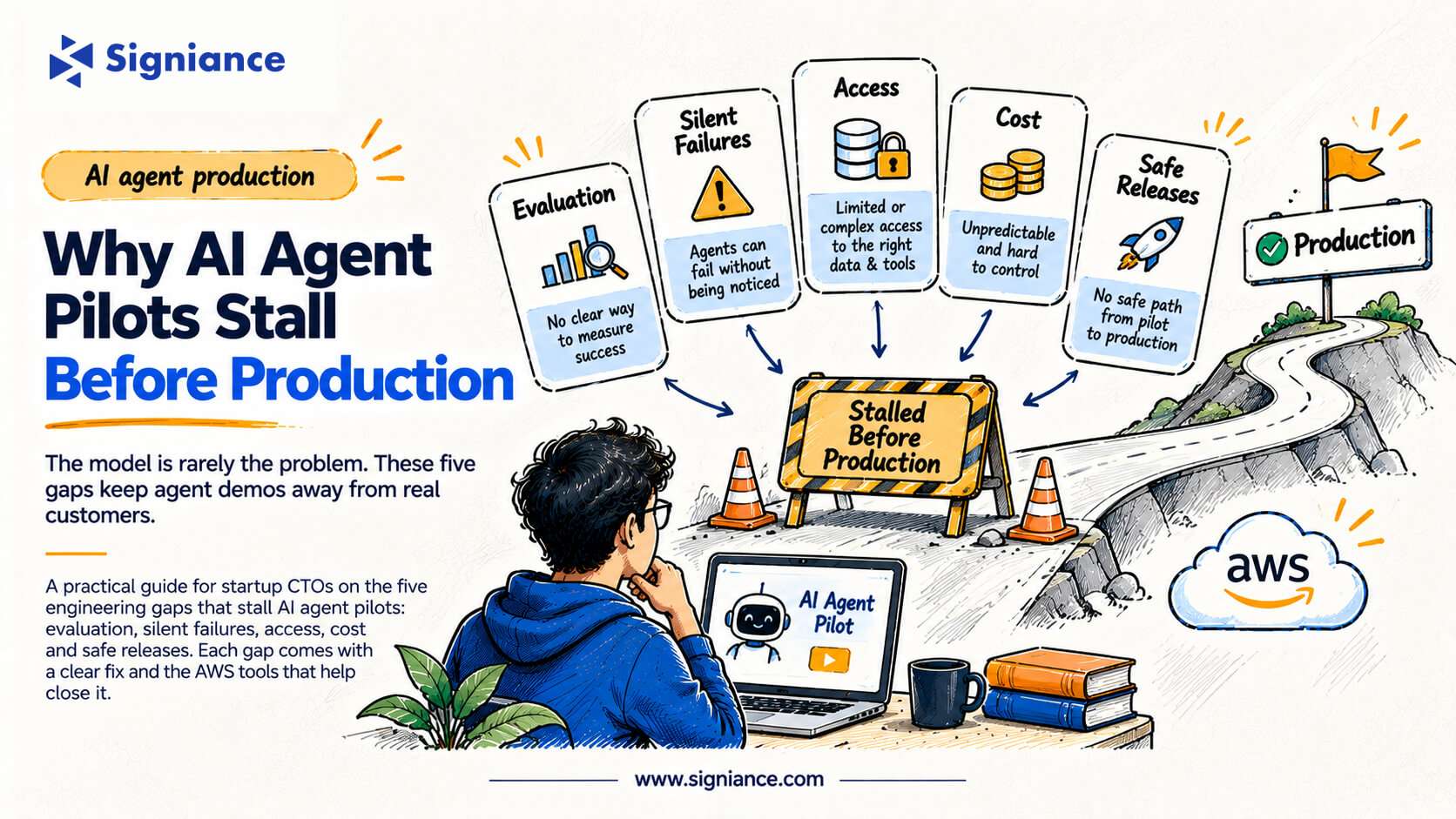
The model is rarely the problem. These five gaps keep agent demos away from real customers. In this article Every founder we talk to has an AI agent demo....
Compare deployment speed, product control, security, costs, and engineering effort before choosing how to add an AI assistant to your application. Table of Contents What Are You Really Buying?...
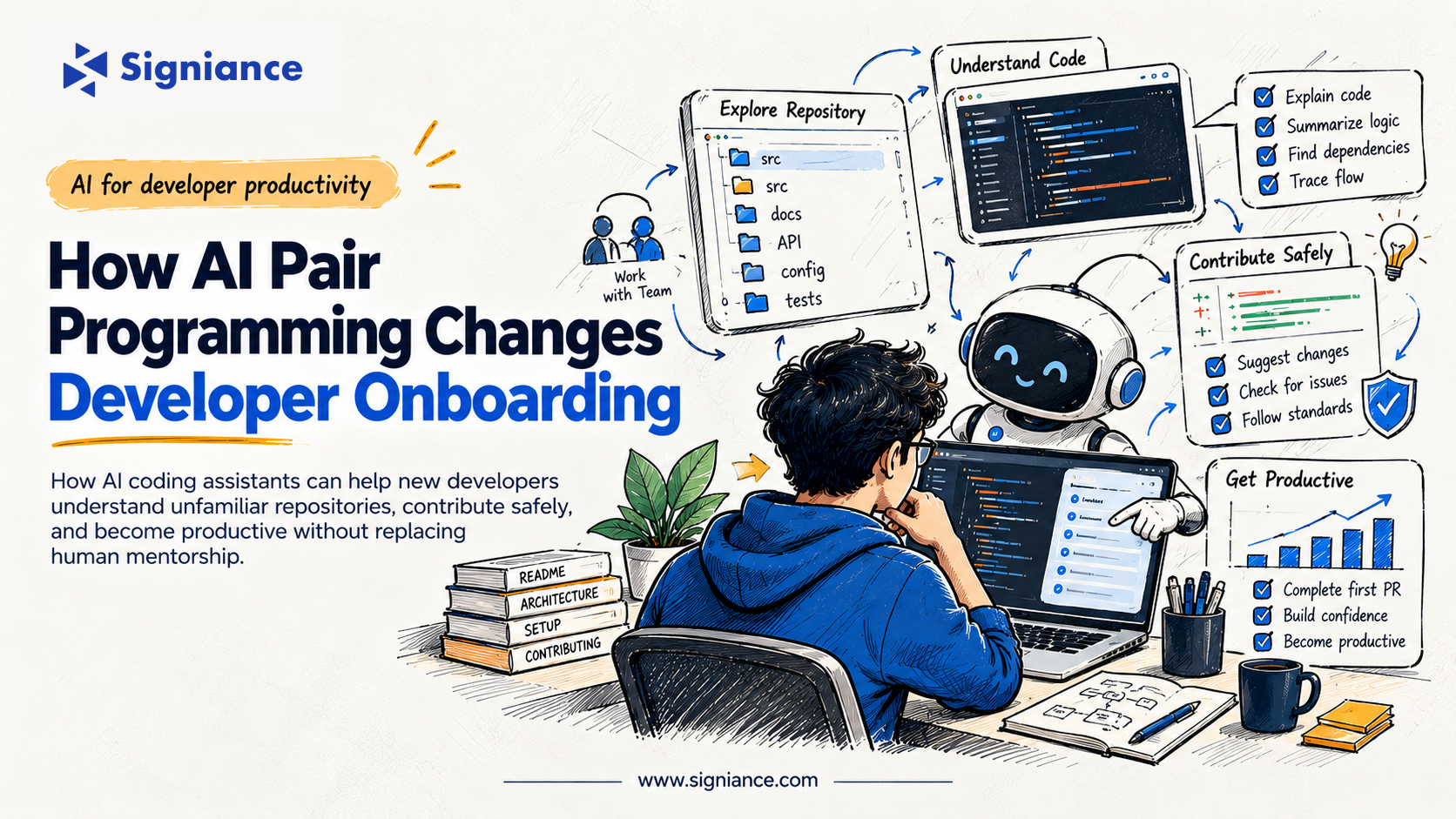
How AI coding assistants can help new developers understand unfamiliar repositories, contribute safely, and become productive without replacing human mentorship. Table of Contents Why Onboarding Takes Time A new...
How to build useful AI systems with clear ownership, safer data practices, measurable quality, and controls that small teams can actually maintain. Table of Contents A startup can add...
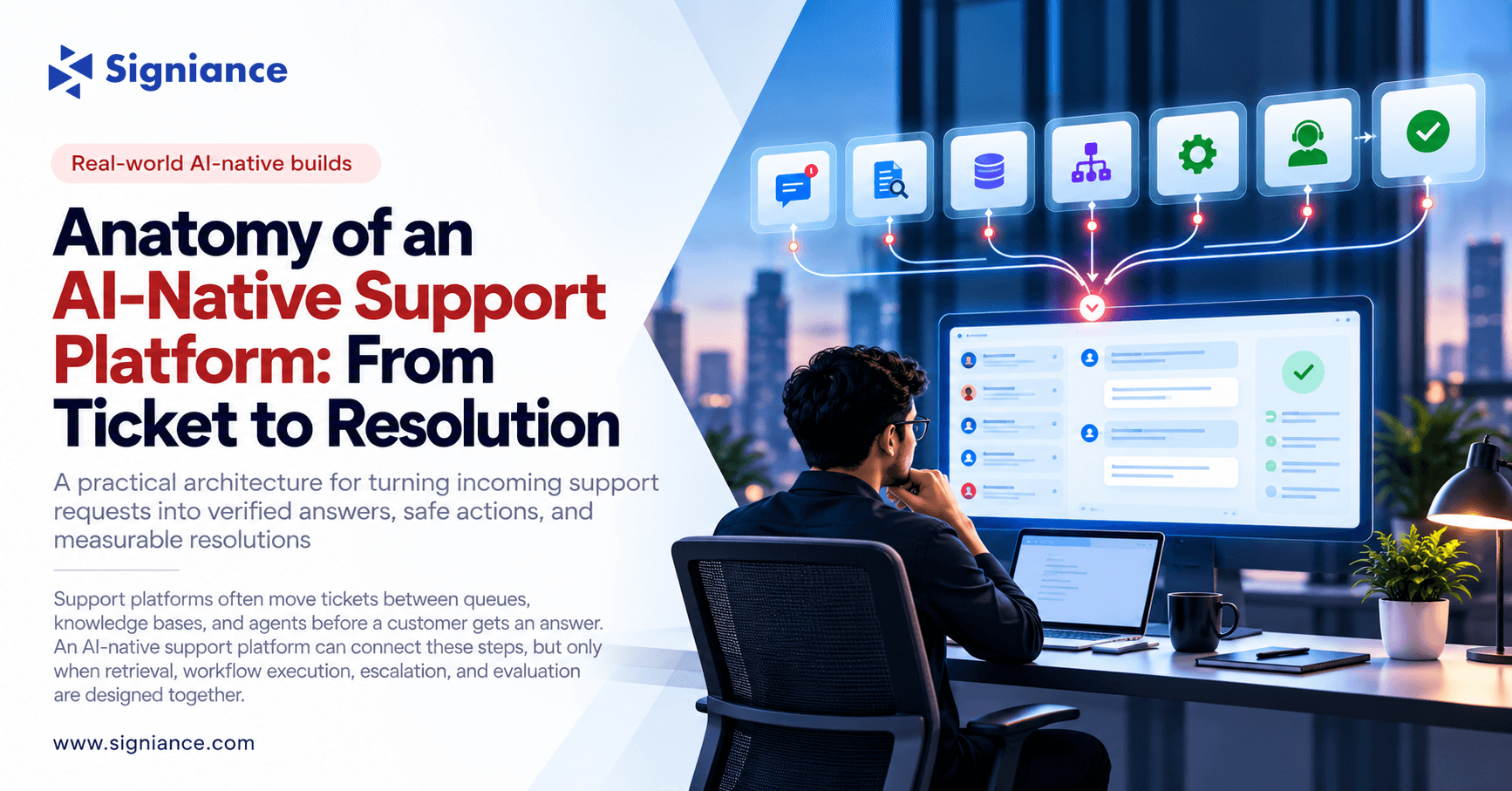
A practical architecture for turning incoming support requests into verified answers, safe actions, and measurable resolutions Table of Contents 1. Topic Introduction: What Happens After a Ticket Arrives 2....
How consolidating tools, workflows, and engineering systems can reduce complexity and help startups build faster Table of Contents Early-stage startups usually choose tools based on immediate needs. One vendor...
A practical guide to estimating training data requirements based on quality, complexity, and real-world performance Table of Contents One of the first questions teams ask when building a machine...
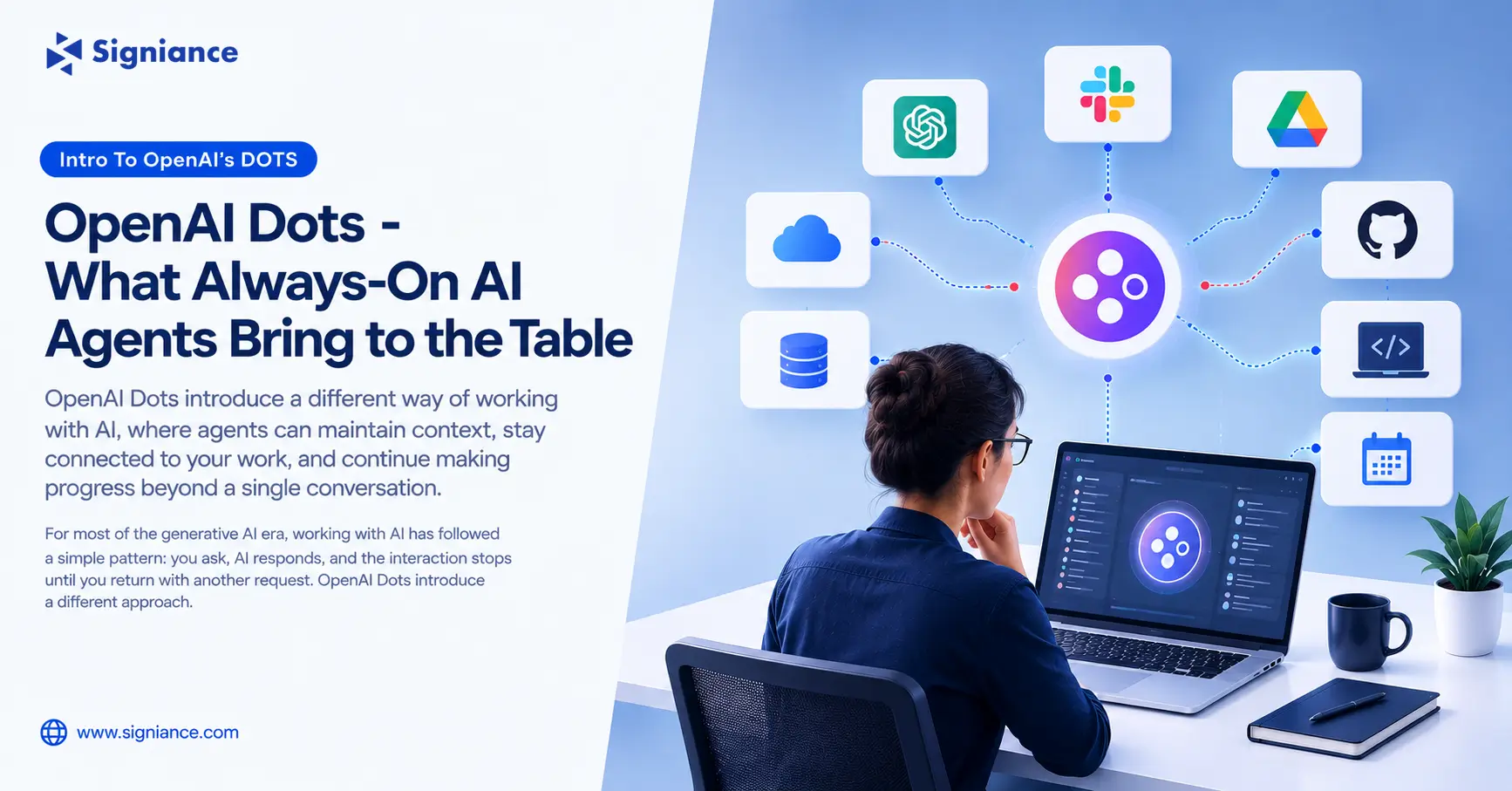
OpenAI Dots introduce a different way of working with AI, where agents can maintain context, stay connected to your work, and continue making progress beyond a single conversation. For...